Week 4 | Health & Philosophy | ~520 words
Do you wonder why we fry in beef tallow and why the oil in most restaurant kitchens should concern you?
Sometime in the middle of the twentieth century, American kitchens stopped frying in animal fat. The shift was marketed as a health improvement. In practice, it replaced one of the most heat-stable cooking fats available with a category of highly processed industrial oils that behave very differently under high heat.
Shamrock uses beef tallow for frying. We made that choice deliberately, and we are not changing it.
What Seed Oils Actually Are
Soybean oil, canola oil, corn oil, sunflower oil, cottonseed oil. These are the fats that replaced animal fats in most commercial kitchens starting in the 1950s and 60s. They were cheap to produce, easy to store, and successfully marketed as the healthy alternative to saturated fat.
Most seed oils go through chemical solvent extraction, high heat refining, deodorization, and bleaching before they reach a kitchen. The resulting product is high in polyunsaturated fatty acids (PUFAs), which are chemically unstable when exposed to the high temperatures required for frying.
When a polyunsaturated fats breakdown, they produce aldehydes and other oxidation compounds. Research published in Acta Scientific Nutritional Health found that seed oils heated repeatedly generated aldehyde levels more than 20 times the safety limits set by the World Health Organization. Saturated and monounsaturated fats tested under the same conditions produced significantly fewer of these compounds.
This is not a fringe position. It is what the chemistry shows.
Why Tallow Performs Better
Beef tallow has a smoke point of approximately 480 degrees Fahrenheit, making it one of the most heat-stable cooking fats available. More important than the smoke point is the fat composition. Tallow is predominantly saturated fat. Saturated fat has no double bonds in its molecular structure, which means it does not undergo the same oxidative breakdown that seed oils do when repeatedly heated.
The result at the fryer is a fat that stays clean and stable across service. It does not turn rancid the way polyunsaturated oils do under repeated heat cycles. It does not produce the same breakdown compounds. And it does not carry those compounds into the food you are eating.
What It Tastes Like
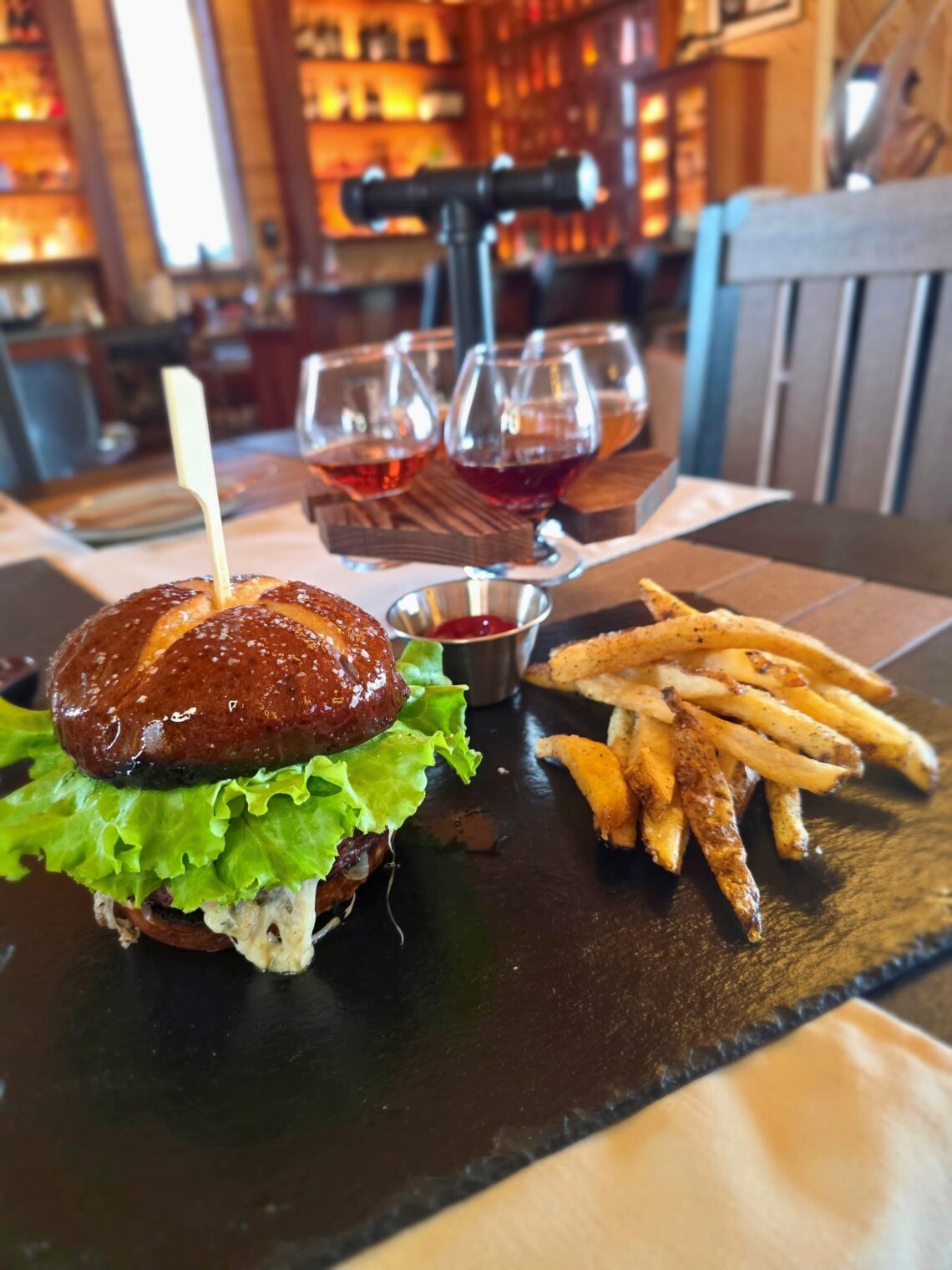
There is a reason certain fast food chains had famous fries before the 1990s, when the industry shifted from beef tallow to vegetable oil. Tallow frying produces an outside that crisps in a way that vegetable oil rarely matches. The flavor carries a natural, savory richness that does not require heavy seasoning to cover a thin, neutral baseline.
At Shamrock, tallow frying is part of how we think about cooking with real fat. Every ingredient is whole real food. Every dish tastes like it came from real ingredients handled with real technique.
Our Standard
My position on seed oils is clear: they do not belong in a kitchen that takes food or health seriously, and they will not be in ours. Every cooking fat at Shamrock is chosen for health, nutrition and to maximize the flavor profile.
You will not find canola, corn, soybean, sunflower, cottonseed, or grapeseed oil in this kitchen. You will find beef tallow, butter, avocado, and olive oil chosen for the optimal preparation and best suited for the flavor profile.
Reserve your table at shamrockwcb.com.
Angela Svonavec ND, and Founding Proprietor at Shamrock


